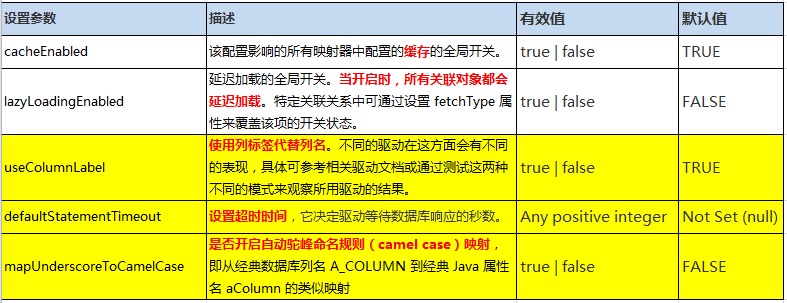
mappers 是用来进行 sql映射注册的。
方法一,文件映射方法:
1、文件路径查看

2、编辑全局映射文件:
<mappers>

	<!--
		mapper:注册一个sql映射 ,方法一注册配置文件

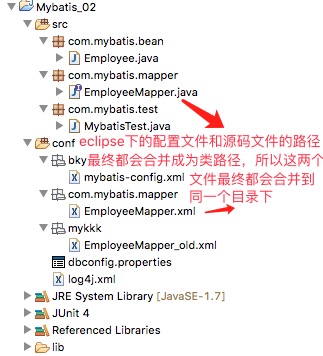
		resource:引用类路径下的sql映射文件【resource路径,就是以二进制bin文件夹根目录为起始目录,来计算子目录下的路径】
		mybatis/mapper/EmployeeMapper.xml
		eclipse 源码文件夹路径 到最后都会合并到类路径下。

		url:引用网路路径或者磁盘路径下的sql映射文件
		file:///var/mappers/AuthorMapper.xml
	-->
		<mapper url="file:///Users/jerry/Documents/workspace/Mybatis_02/conf/EmployeeMapper_new.xml"/>
		<mapper resource="mykkk/EmployeeMapper_old.xml"/>
</mappers>
3、sql映射文件:
<?xml version="1.0" encoding="UTF-8" ?>
<!DOCTYPE mapper
 PUBLIC "-//mybatis.org//DTD Mapper 3.0//EN"
 "http://mybatis.org/dtd/mybatis-3-mapper.dtd">
<mapper namespace="com.mybatis.mapper.EmployeeMapper">
<!--
上面的 namespace:名称空间;指定为接口的全类名
下面的 id:唯一标识被规定为接口方法名 【public Employee getEmpById(Integer id);】
下面的 resultType:返回值类型
下面的 #{id}:从传递过来的参数中取出id值

 -->
	<select id="getEmpById" resultType="EmployEE">
	<!--
	1、之前没有在mybatis的全局配置文件中,开启驼峰转化 setting ,
	因此执行  select * from tb1_employee where id = #{id}  时,
	那时 数据库的字段 last_name 无法直接映射 到bean 中的lastName ,
	查询结果导致数据库 last_name 无法赋值给employee bean中的lastName
	所以,employee 中的  lastName 是空值,
	所以需要在 这里的sql语句中取别名
	select id,last_name lastName,email,gender from tbl_employee where id = #{id}

	2、现在已经开启了驼峰转化,所以就不需要 在sql语句中 取别名了
	下面的sql语句 也可以 直接写成:select * from tb1_employee where id = #{id}
	-->
	select id,last_name,email,gender from tbl_employee where id = #{id}
	</select>

	<!--
	默认有一个 没有添加 databaseId 的sql语句,然后是 各厂家的sql语句,调用sql语句时,选择 最匹配的sql语句 调用。
	 -->
	<select id="getEmpById" resultType="com.mybatis.bean.Employee"
		databaseId="mysql">
		select * from tbl_employee where id = #{id}
	</select>
	<select id="getEmpById" resultType="com.mybatis.bean.Employee"
		databaseId="oracle">
		select EMPLOYEE_ID id,LAST_NAME	lastName,EMAIL email
		from employees where EMPLOYEE_ID=#{id}
	</select>
</mapper>
<?xml version="1.0" encoding="UTF-8" ?>
<!DOCTYPE mapper
 PUBLIC "-//mybatis.org//DTD Mapper 3.0//EN"
 "http://mybatis.org/dtd/mybatis-3-mapper.dtd">
<mapper namespace="com.mybatis.hhh.EmployeeMapper">
<!--
上面的 namespace:名称空间;名字随便写

下面的 id:唯一标识
下面的 resultType:返回值类型
下面的 #{id}:从传递过来的参数中取出id值
 -->
	<select id="selectEmp" resultType="com.mybatis.bean.Employee">
	<!--
	1、之前没有在mybatis的全局配置文件中,开启驼峰转化 setting ,
	因此执行  select * from tb1_employee where id = #{id}  时,
	那时 数据库的字段 last_name 无法直接映射 到bean 中的lastName ,
	查询结果导致数据库 last_name 无法赋值给employee bean中的lastName
	所以,employee 中的  lastName 是空值,
	所以需要在 这里的sql语句中取别名
	select id,last_name lastName,email,gender from tbl_employee where id = #{id}

	2、现在已经开启了驼峰转化,所以就不需要 在sql语句中 取别名了
	下面的sql语句 也可以 直接写成:select * from tb1_employee where id = #{id}
	-->
	select id,last_name,email,gender from tbl_employee where id = #{id}
	</select>
</mapper>
4、测试文件(和原来没有差别,只是将mybatis-config.xml改了一下目录)
@Test
public void test_old() throws IOException {
	String resource = "bky/mybatis-config.xml";
	InputStream inputStream = Resources.getResourceAsStream(resource);
	SqlSessionFactory sqlSessionFactory = new SqlSessionFactoryBuilder().build(inputStream);

	//获取sqlSession实例 ,能直接执行已经映射的sql语句。
	// sql的唯一标识:statement Unique identifier matching the statement to use.
	// 执行sql要用的参数:parameter A parameter object to pass to the statement.
	SqlSession openSession = sqlSessionFactory.openSession();
	try{
	//唯一标识符可以直接写 selectEmp 但为了防止 和别可能有的冲突,添加了命名空间
	   Employee employee =  openSession.selectOne("com.mybatis.hhh.EmployeeMapper.selectEmp",1);
	   System.out.println(employee);
	}catch (Exception e) {
		// TODO: handle exception
	}finally {
		   openSession.close();
	}
}

/********************************************************************/

public SqlSessionFactory getSqlSessionFactory() throws IOException {
	String resource = "bky/mybatis-config.xml";
	InputStream inputStream = Resources.getResourceAsStream(resource);
	return new SqlSessionFactoryBuilder().build(inputStream);
}

@Test
public void test_new() throws IOException {
	// 1、获取sqlSessionFactory对象
	SqlSessionFactory sqlSessionFactory = getSqlSessionFactory();
	// 2、获取sqlSession对象
	SqlSession openSession = sqlSessionFactory.openSession();
	try {
		// 3、获取接口的实现类对象
		//会为接口自动的创建一个代理对象,代理对象去执行增删改查方法
		EmployeeMapper mapper = openSession.getMapper(EmployeeMapper.class);
		Employee employee = mapper.getEmpById(1);
		System.out.println(mapper.getClass());
		System.out.println(employee);
	} finally {
		openSession.close();
	}

}
方法二,接口映射方法
1、全局配置文件:
<mappers>
      <!-- 旧方法操作mybatis 的配置文件,不存在接口文件,无法使用 class标签 -->
      <mapper resource="mykkk/EmployeeMapper_old.xml" />

      <!-- 新方法操作mybatis 的配置文件,存在接口文件,可以使用 class标签
    但是必须保障 在指定的class类路径下,同名的接口文件 和 同名的sql映射文件都存在 才行
      -->
      <mapper class="com.mybatis.mapper.EmployeeMapper" />

      <!-- 如果指定目录下,有多个接口类和对应的映射文件 需要用class标签配置 ,
      可以用批量配置方法,直接写 接口类的 包名就行
      比如上面的 可以写成 <package name="com.mybatis.mapper"/>
      -->

</mappers>
2、文件目录
3、Junit测试代码(和原来的没有区别)
4、当然 Mapper中 的class标签 ,不是一定需要 接口文件和 sql映射文件,都存在同一个目录。可以 采用对接口 注解的方式,来取消sql映射文件。
比如:对EmployeeMapper.java 接口修改并添加注解,来取消 sql映射文件。
package com.mybatis.mapper;

import org.apache.ibatis.annotations.Select;

import com.mybatis.bean.Employee;

public interface EmployeeMapper {

	@Select("select * from tbl_employee where id=#{id}")
	public Employee getEmpById(Integer id);
}